
In this story
A museum day can involve several hours indoors, a café stop, a walk between venues, and a change in temperature. It is tempting to take every small travel essential just in case. A lighter, deliberate bag can make the day easier, provided it meets the venue's current rules and still contains the things you genuinely need.
Check each venue's official visitor information before leaving. Bag-size limits, storage arrangements, photography rules, and permitted food or drink can differ and change. Do not assume that a bag accepted yesterday will suit today's museum. This guide concerns organizing your belongings around those rules; it does not promise entry with a particular bag.
Identify what must stay with you
Make a short list based on your needs: admission information, payment method, phone, essential personal items, and any required medication handled according to its storage guidance. Add a compact layer if the day calls for one. Keep the list specific instead of transferring the contents of your airport personal item without review.
Consider whether you need a dedicated camera. If photography is allowed and you enjoy using it, choose the equipment intentionally. If you are mainly going to look and read, your phone or no camera may be enough. A second lens earns its place through a planned use, not simply because it fits in the bag.
Choose the bag after checking the list
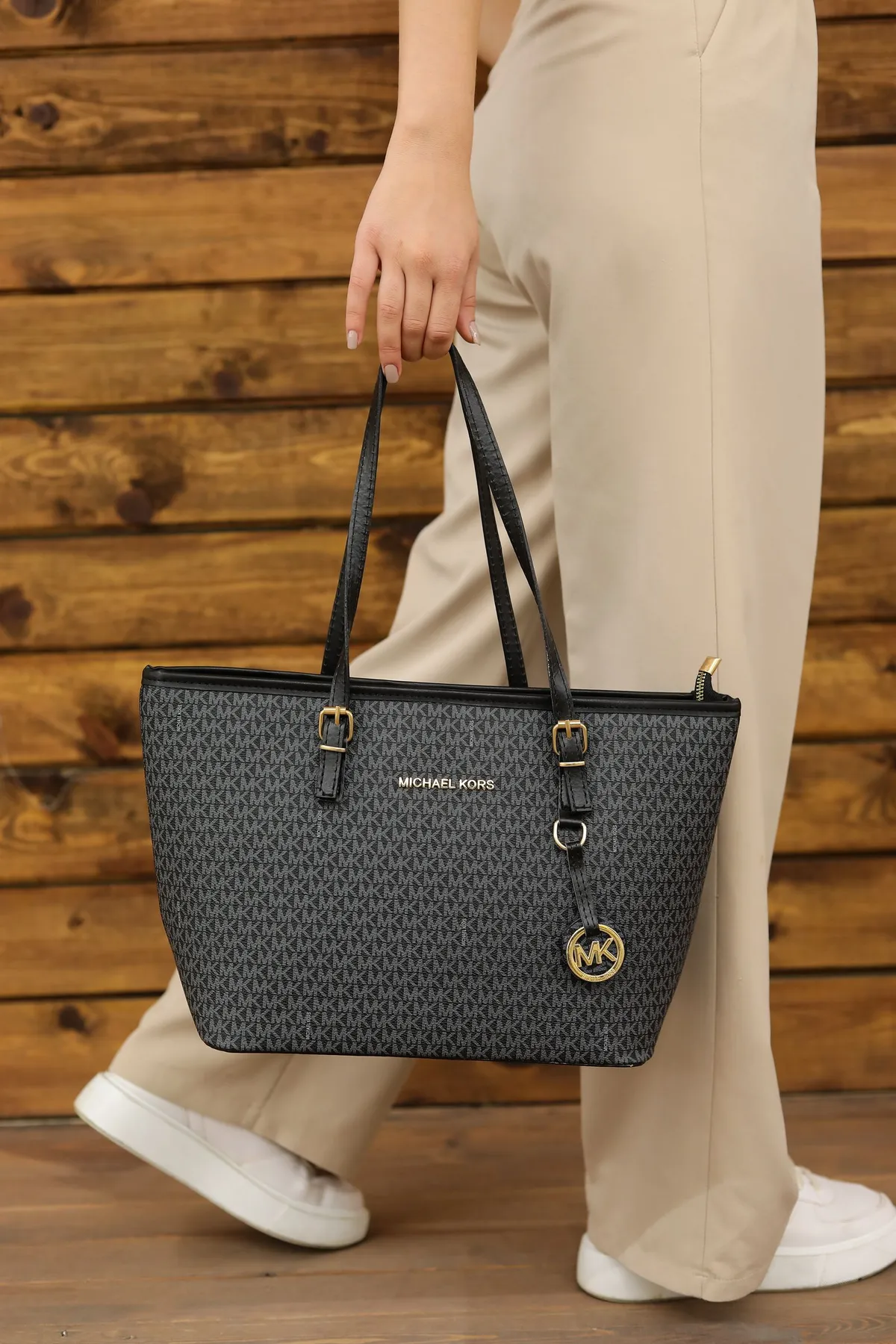
Use the smallest comfortable option that carries your necessary items appropriately and complies with venue requirements. A crossbody can offer convenient access, while a backpack may distribute a larger load differently. Neither is automatically the correct museum bag. Think about closures, carrying comfort, and how easily you can keep control of the bag in busy spaces.
Test it loaded, including the layer and any items needed between venues. Walk, stand, and sit with it. Notice straps slipping, hard objects pressing into you, or an opening that is difficult to manage. A bag that looks discreet but needs constant handling may be less useful than one with a straightforward layout.
Plan storage rather than assuming it
If you intend to use a cloakroom or locker, verify availability and restrictions directly with the venue. Some arrangements may not suit every object, and opening hours can affect when you retrieve belongings. Keep essential items accessible and follow the venue's instructions about what may be left. Avoid arriving with oversized luggage based on an unverified assumption.
Think about the end of the visit. If your next stop is across town, returning to retrieve a stored bag may shape the route. A light day bag can sometimes simplify the whole itinerary more than an elaborate storage plan. If you are arriving from a station or leaving for a train, make a separate confirmed arrangement for the main luggage.
Reduce duplicates and loose items
One small pouch can keep the essentials you use together from disappearing. Leave unrelated tickets, old receipts, and yesterday's purchases at the accommodation where appropriate. Put items in predictable places so you can retrieve what you need without opening every compartment. The aim is quick access with control of belongings, not filling every internal pocket.
Pack a water bottle or food only where permitted and useful. Check leakage risk and separate liquids from paper and electronics. A bottle you cannot take inside needs a realistic plan, not a hopeful negotiation at the entrance. If the venue's facilities can cover a need within your budget and preferences, you may not need to carry a duplicate all day.
Match the outfit to the bag
Wear layers that are easy to adjust without overflowing the bag. A bulky coat may require a different storage decision from a light cardigan. Check that the bag strap does not catch on a textured knit or distort a neckline. Comfortable shoes matter for standing as well as walking, so use a familiar pair that suits the complete route.
Should I take a tote for purchases? If you expect to shop, choose an option that meets venue rules and remember you will carry its contents afterward. Can I leave everything in a locker? Verify the actual arrangement and keep essential needs in mind. Is a tiny bag always better? Only if it carries what you need without forcing awkward extra items into your hands.
Our travel-crossbody guide helps evaluate access and comfort. The breakfast-to-city-walk outfit offers ideas for a day with several settings. A well-edited museum bag supports looking, lingering, and moving on when you are ready.
KEEP READING
Browse the complete Lady Trekking journal →

