In this story
Coverage in warm weather is a personal wardrobe decision as well as an itinerary consideration. Some travelers prefer longer sleeves every day; others want flexible options for particular settings. Start with your own comfort and check any specific venue requirements through current official information. A general outfit suggestion should never be treated as a complete guide to local expectations or entry rules.
Build coverage into the garment
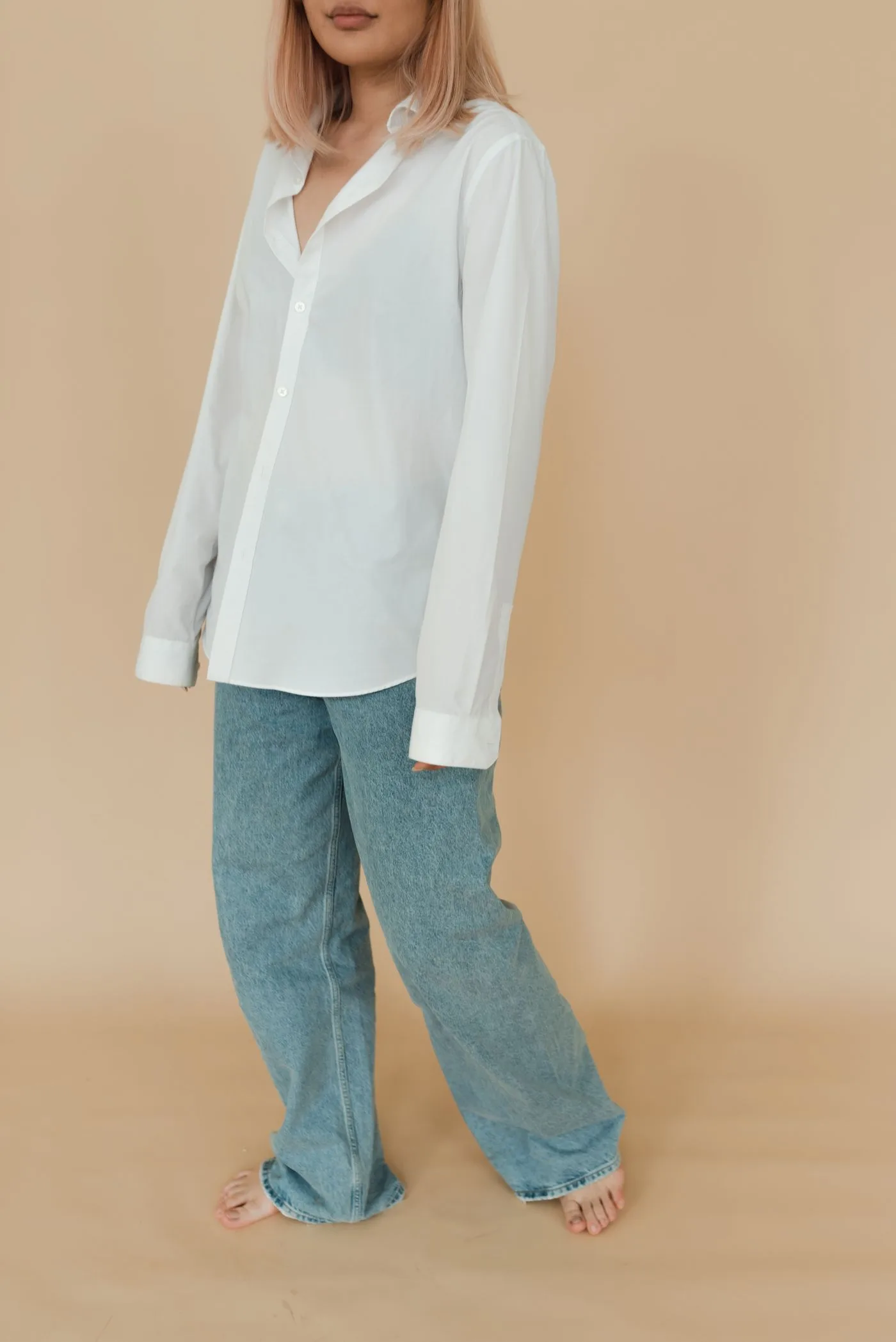
If longer sleeves and hems are central to your plans, choosing them in the main outfit can be easier than adding several extra pieces later. A loose shirt with trousers or a dress in a comfortable length may provide a simple foundation. Make sure the fit allows normal movement. Generous fabric is useful only when you enjoy how it feels and can manage the volume.
Look at cuffs, necklines, side slits and closures, not just the overall outline. A long dress may have openings that do not suit your preferences. A shirt may gape between buttons or feel restrictive at the upper arm. Try the outfit in motion and seated, using the underwear and base layers you intend to bring. Details often determine whether a garment feels comfortable to wear for a full day.
Inspect opacity in more than one light
Pale, lightweight fabrics can behave differently in a fitting room and outdoors. Hold the garment up to light, inspect the weave and assess it over your intended underlayers. A lining may improve opacity but add weight or warmth. Consider the complete garment rather than assuming a fiber name tells you how it will perform.
If a piece needs a full extra layer to meet your preferences, ask whether another garment would be simpler. A slightly denser fabric may reduce the need for multiple layers, although comfort remains individual. The coastal linen guide discusses fabric weight, texture and transparency without treating linen as a universal solution.
Keep removable pieces genuinely useful
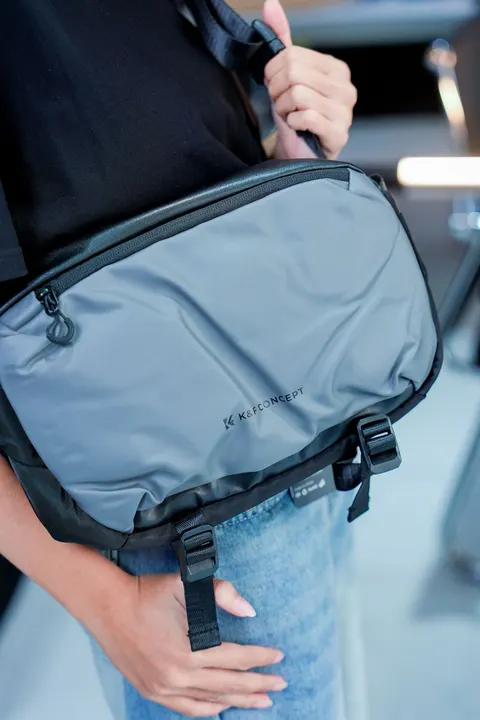
An overshirt can offer flexibility if it works closed, open and beneath any necessary outer layer. Check that it fits into your day bag when removed. A large wrap may be appealing, but it can require frequent adjusting and occupy your hands. Choose the method of coverage you find easy rather than assuming a particular accessory belongs in every travel wardrobe.
Do not describe ordinary clothing as providing a quantified level of sun protection unless a specific product has an appropriate documented claim. Coverage and shade can be part of practical planning, but appearance alone does not establish protective performance. Keep outfit advice separate from medical or specialist sun-safety guidance, and consult appropriate authoritative information for those decisions.
Shop for repeat use
A useful purchase should work with the shoes, bag and layers already in the suitcase. Try a shirt with both your intended bottoms and check whether its length suits them. Look for seams and closures that feel comfortable against the skin, then read the care label. A garment that needs complicated care may be less practical for a trip with limited washing facilities.
Skip a purchase if the same effect can be achieved with existing clothes you enjoy wearing. You do not need to assemble an unfamiliar wardrobe simply because the trip is somewhere new. For more combinations from fewer pieces, our capsule color guide helps make longer garments and removable layers feel like part of one consistent selection.
Coverage questions
Does loose always mean cool? Not necessarily. Fabric weight, construction, conditions and personal comfort all matter. Try the garment and avoid relying on a single descriptor.
Is a scarf enough for every venue? Requirements vary. Check the actual place you intend to visit rather than assuming one accessory covers every situation.
What is the most useful first piece? Often a comfortable shirt that you can wear in several ways and continue using at home. Its value comes from fit and repeatability, not a travel label.
KEEP READING
Browse the complete Lady Trekking journal →