
In this story
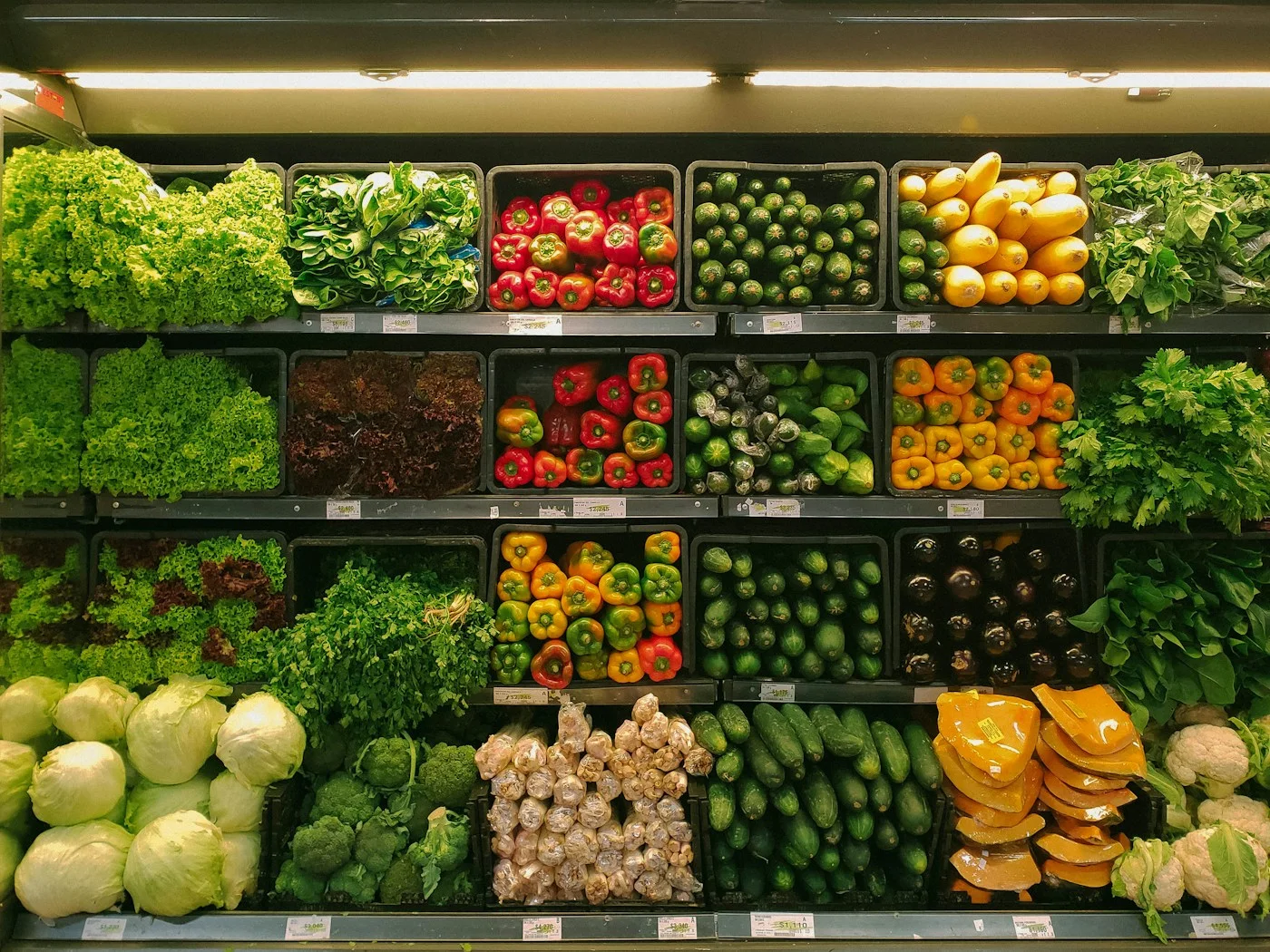
A market visit can be for looking, asking or buying, and those purposes do not need to collapse into one another. Decide what you want from the stop before an attractive display becomes a collection of purchases to manage. You can notice colours and arrangements without claiming a product's origin, and you can ask a focused question without promising to buy. A clear purpose makes the visit more manageable within the actual day.
Name the first interest
Ask what drew you to the market. You may want to see the range of produce, understand one unfamiliar item or buy ingredients for a meal you have already chosen. Keep the purpose modest enough that it can fit the available time and the place's actual conditions.
Companions may have a different interest in the same stop. Discuss whether you intend to browse together or use a short separate period with a clear rejoin. The different travel paces guide helps keep that difference from becoming a repeated negotiation at every stall.
Let looking remain a complete activity
Observe from an appropriate public position and follow the market's instructions. Keep working areas and routes clear, and ask before photographing or handling anything when required. A display can be interesting without being available as a personal still-life set.
Describe what you see accurately. A basket, sign style or setting does not establish where a product was grown or how it was made. Leave origin, season and production claims out unless you have a reliable basis for applying them to the actual item.
Ask one question through the specific product
If you want information, identify the item rather than asking the seller to explain the whole market. A question about a label or the product's intended use is easier to answer clearly. Use a suitable translation method where needed and keep an important uncertainty open until you understand the answer.
Important dietary and handling requirements need proper verification through the appropriate source. A friendly exchange or an appealing appearance is not enough to establish them. This article does not provide food storage or preparation guidance.
Make a purchase through a real next use
If buying is part of the plan, connect the item with the actual meal, stay or onward journey. Check what you can appropriately carry and use rather than treating every interesting object as a souvenir. The purchase does not need to prove that the market visit was worthwhile.
The market-day outfit guide addresses the practical clothing side of the stop. Keep that preparation connected to the real activity, including any bag you will actually manage after shopping.
Finish by choosing the next action deliberately: continue looking, ask a specific question, make the understood purchase or leave. A market can remain a meaningful part of a city visit without supplying a full meal plan or a story more certain than the information you established. The purpose you chose should support the day rather than quietly expand it.
KEEP READING
Browse the complete Lady Trekking journal →