
In this story
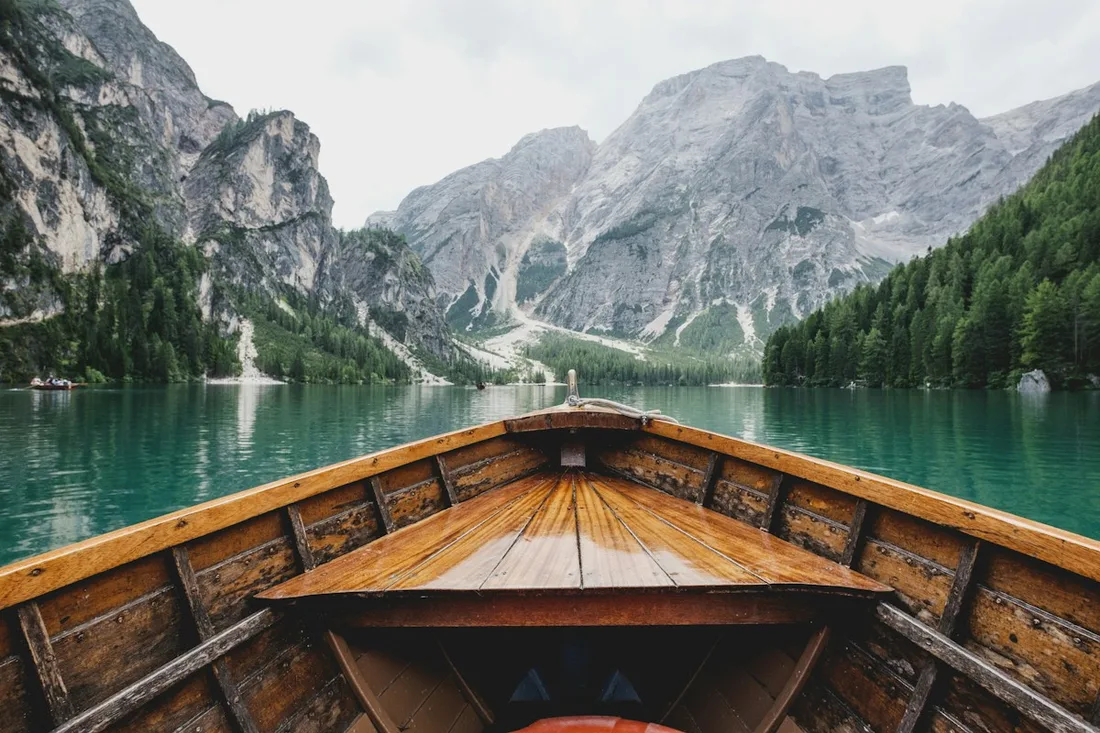
A lake outing can mean time on the water, time beside it or a day in which the lake is mainly the setting for another activity. Decide which experience you actually want before comparing detailed plans. An attractive boat photograph is inspiration, but it does not establish what should happen during your own visit.
Describe the desired day in ordinary words
Ask whether you want a planned activity, a short pause near the water or a flexible outing with another confirmed purpose. Keep the answer personal and modest. You do not need to select a boat simply because it is prominent in the images that introduced the place to you.
If travelling with a companion, discuss each person's preference before researching a shared commitment. A person may enjoy a lakeside setting without wanting the same activity. The different-paces city-break guide offers a useful approach to agreeing a day without requiring identical interests.
Research the chosen activity through the right source
Use current official information from the relevant operator or responsible organisation when the plan depends on a particular service, route or permission. Check the actual activity's requirements and suitability questions. Do not infer access, equipment or availability from a generic photograph of a wooden boat.
Keep unresolved questions explicit. A specialist or personal requirement may need direct clarification before a booking is appropriate. Leaving the choice open is more useful than turning missing information into an optimistic assumption because the rest of the itinerary is already taking shape.
Plan the complete arrival and return
Identify where the outing begins, where it ends and how each connects to the rest of the day. A chosen activity is only one part of the trip. Keep the appropriate current transport and location information accessible rather than relying on a broad place name shared between several different points.
The station-stopover guide helps consider time between confirmed steps. Apply that attention to a lake day so a period before or after the main activity has a practical purpose instead of becoming an unexplained wait with luggage.
Choose clothes after the purpose is clear
Use the activity's actual guidance and reliable product information to choose clothing and equipment. An outfit selected for a quiet pause may answer a different need from one chosen for a specific organised activity. Avoid treating a relaxed-looking photograph as assurance that the same clothes suit every plan.
If the chosen activity no longer fits the day's conditions or reliable information, use an appropriate alternative rather than insisting the original idea must happen. Keep the meeting and return arrangement clear when the plan changes. A useful lake outing begins with the experience the travellers genuinely want, then lets accurate activity information shape the details instead of allowing one appealing image to dictate the whole day.
KEEP READING
Browse the complete Lady Trekking journal →