
In this story
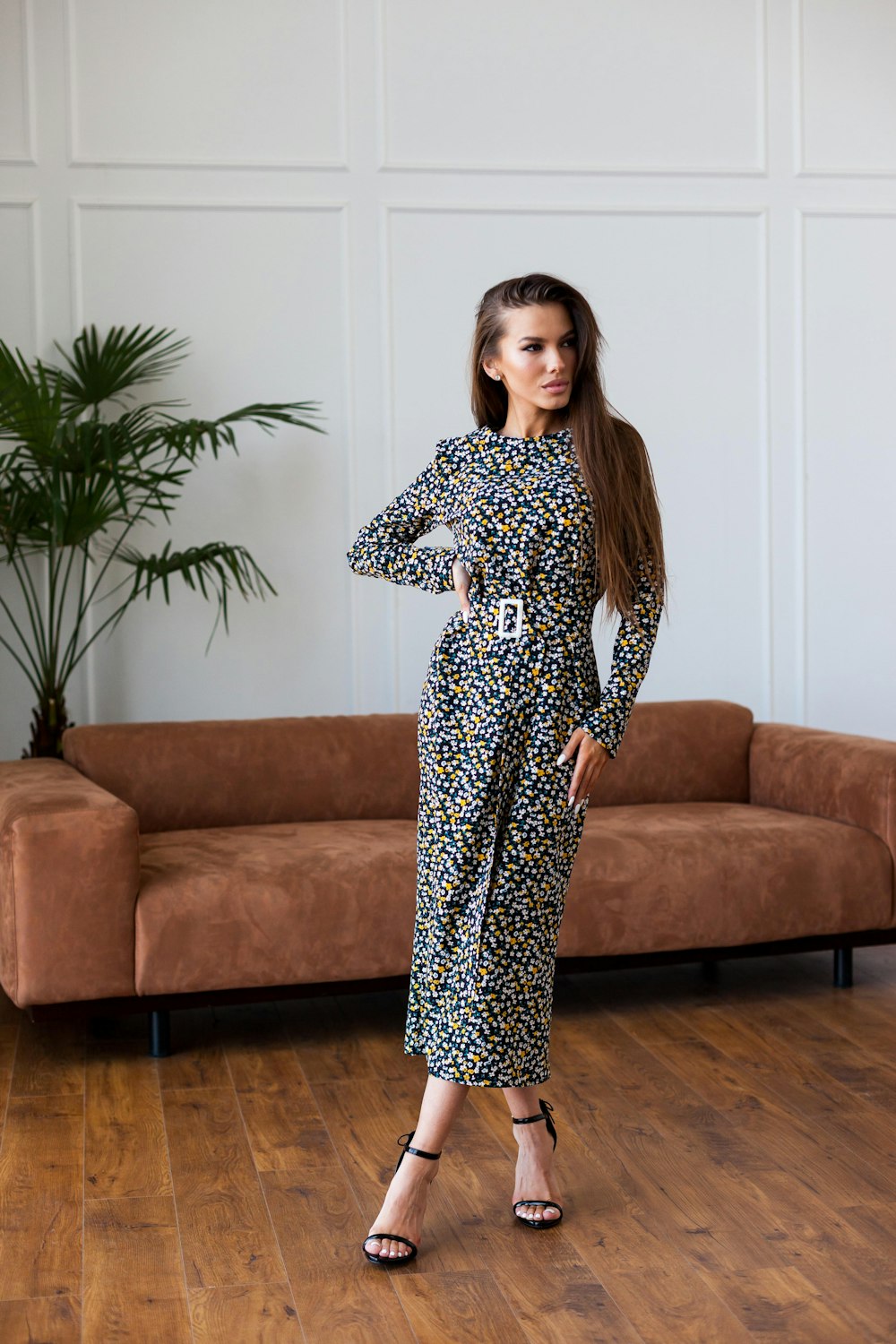
A floral dress can look delicate in daylight and much stronger under warm indoor lighting. If it is intended to serve both an afternoon outing and dinner, assess the actual fabric in both settings. The pattern is only one part of the decision; opacity, comfort and the complete outfit matter as well.
Look beyond the print name
Wear the dress with the undergarments you would actually choose and look at it in ordinary daylight. Check the parts that move or stretch when sitting, reaching and walking. Avoid relying on a shop photograph to explain the fabric's behaviour on your own body. If something feels uncertain, resolve it before the garment joins the suitcase.
Move to a normally lit indoor room and repeat the check. The colours may appear warmer or less distinct, and a small print may read as a nearly solid texture from a distance. There is no universally correct result. You are deciding whether you like the dress through the range of ordinary settings the trip will include.
Add the evening pieces
Try the footwear, bag and outer layer intended for dinner. The dress should not need an entirely separate collection of accessories merely to cross from afternoon to evening. One compatible change may be enough if it suits the venue and your preferences, but do not force a daytime outfit into an event with requirements it cannot meet.
The single evening outfit guide can help identify which changes genuinely create a useful second role. Check the venue's current dress expectations when relevant rather than inferring them from decorative photographs. Keep the return route and weather in the outfit decision too.
Check the dress in use
Sit at a table, put on the bag and reach for a glass. Notice whether the neckline, sleeves or fastening need repeated adjustment. A print can make a garment visually interesting, but it cannot compensate for discomfort during the activity it is supposed to serve.
The dress-fastening check is worth repeating with the complete outfit. If a necklace or bag strap catches near the fastening, choose a different accessory or a more suitable arrangement. Do not pack an unresolved interaction and expect the restaurant mirror to provide the answer.
Give care a realistic place
Read the care label and decide how the dress will be stored, packed and refreshed appropriately during the stay. If it needs a service unavailable on the trip, choose a narrower role or another garment. Avoid assuming that every patterned fabric hides marks or tolerates the same treatment.
Should you photograph the lighting comparison? A private reference can help you remember combinations, but a camera may alter colour and exposure. Use the picture alongside what you observed directly. The dress earns its place when you enjoy wearing it in the intended settings and understand the practical care that keeps those uses realistic.
KEEP READING
Browse the complete Lady Trekking journal →

