
In this story
A familiar-looking travel view can arrive with expectations formed long before you stand in front of it. Give the place a small camera-optional pause and notice what is actually there. You may make a photograph, keep a few words or simply continue the walk. The stop does not need a perfect sky or an image better than the ones that made the view familiar to you.
Choose a permitted place to pause
Remain in an ordinary public position where stopping is appropriate and follow local instructions. Keep paths, entrances and working areas available to others. If the available place is crowded or unsuitable, move on rather than treating the view as something that must be collected before you can leave.
Keep the stop proportionate to the route and the companions involved. Someone may want to look while another person prefers a shorter pause. Discuss the difference without making either response a judgement about who appreciates travel properly.
Notice one feature beyond the expected image
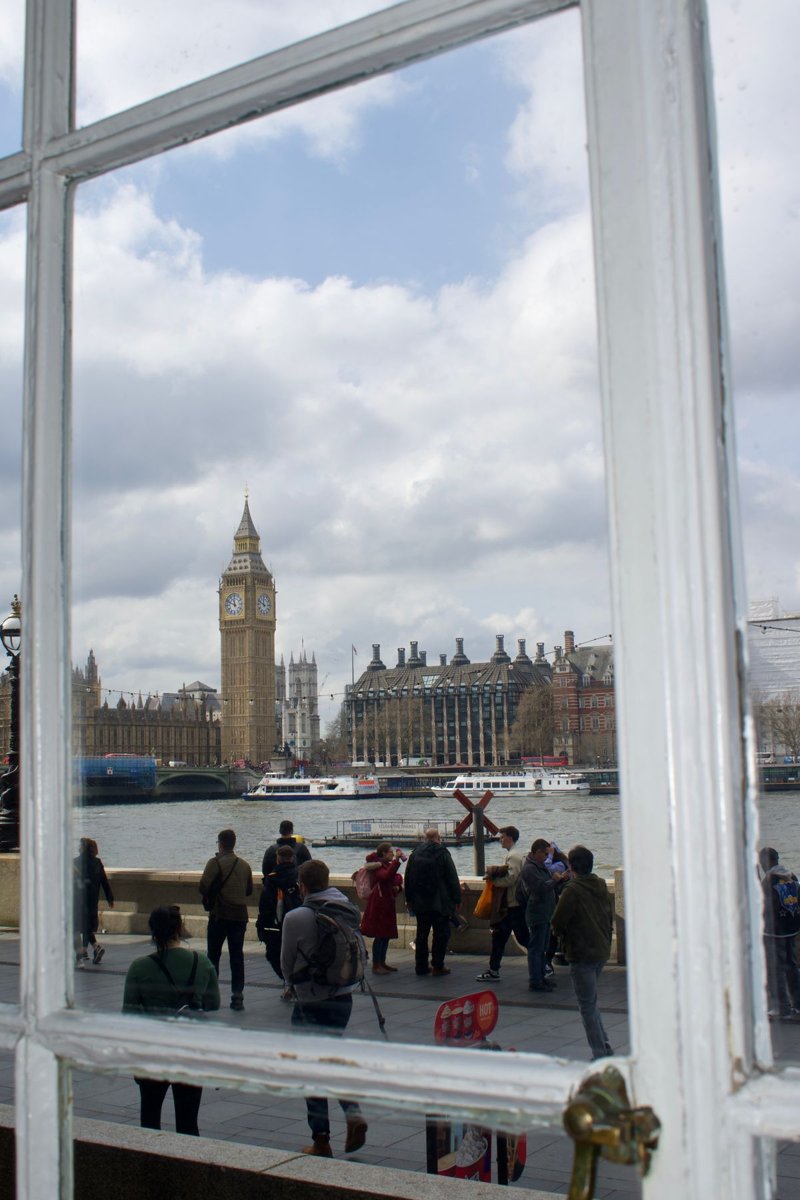
Look at the relationship between the landmark and ordinary surroundings: movement, a nearby surface, a reflection or the distance across the view. Choose something you can actually describe rather than searching for a surprising fact. The observation can be modest and still belong to this moment.
Avoid assuming that familiarity gives you knowledge of the place's history or current use. A recognisable outline and an established factual account are different things. Keep researched information on a reliable basis, and let a personal looking pause remain personal.
Decide whether a photograph adds something you want
Ask what the image would help you remember. If the answer is clear, make a modest photograph from the permitted position while respecting the people around you. If you are only repeating frames because you feel you ought to have one, put the device away and look again.
The journey-window caption guide helps keep a later image's identification within what you actually know. A photograph does not need an elaborate caption or a claim about ideal conditions to be a useful record.
Let the pause have a natural finish
You might leave after noticing the way two shapes meet or after a brief conversation with a companion. There is no requirement to stay until the view produces a particular feeling. A famous-looking place can remain ordinary in the moment, and the trip has not failed if your response is quieter than expected.
If you want a different record, a small notebook sketch or a plain sentence can be enough. The one-view sketch guide offers an optional approach that still leaves the actual visit central.
Return to the route with the stop's practical endpoint clear. You can keep the memory of looking without proving it through a public image or a dramatic account. The useful pause makes the view more specific to your experience and then lets the rest of the day continue, rather than requiring the place to reproduce the picture you brought with you.
KEEP READING
Browse the complete Lady Trekking journal →