
In this story
A familiar cafe name can sound like a complete meeting plan while leaving several practical details open. Identify the exact location, the agreed arrival point and the time each person understands. A venue name is not always enough to explain a branch, entrance or place to wait. The useful plan lets a companion find the actual meeting without needing to interpret your memory of the last visit.
Establish the exact venue
Use the cafe's current official information for the location you intend. Keep the relevant name and address together. If there are similar names or more than one location, make the distinction explicit rather than assuming the companion knows which one you mean.
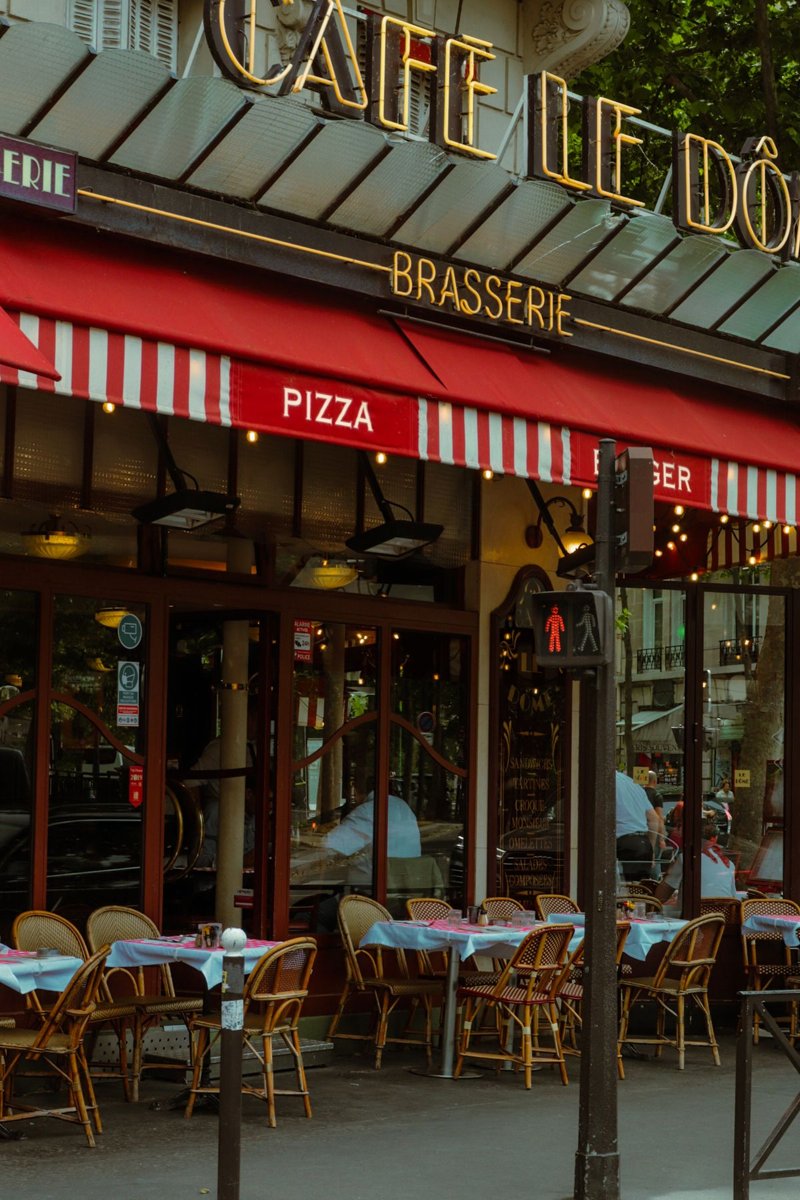
A saved photograph can help you remember a facade but should not be the only reference. Signs, seating and neighbouring objects can change, and a photograph may show a different entrance or date. Use the image as a supporting clue rather than a confirmed map of the present arrangement.
Agree on where the meeting begins
Discuss whether you will meet outside, at a confirmed reserved table or at another permitted identifiable point. Do not assume someone can occupy an area simply to wait. Follow the venue's actual arrangements and avoid blocking an entrance or working route.
If the meeting depends on a booking or service condition, establish that through the provider. A plan to meet at a cafe does not guarantee a particular table, menu or permission to remain without ordering. Keep an important question open until it has the appropriate answer.
Give the time a clear purpose
State whether the time means arriving at the venue, beginning a meal or leaving for the next activity. Those are different commitments. A companion travelling from elsewhere may need enough context to plan the first action rather than guessing what you expect them to have completed already.
The cafe stop before room readiness guide considers another time boundary within a travel day. A meeting stop also needs a clear role so that it does not silently absorb the hours intended for something else.
Keep one current message
Put the established details in one concise reference and make changes clear to everyone relying on it. Avoid sending a new time without saying whether the location or meeting point remains the same. A short current note is more useful than several messages whose relationship must be reconstructed on arrival.
Agree on a suitable way to communicate if the plan fails or someone is delayed. Use a method both people understand without assuming constant access to a device. The companion shopping-afternoon guide offers a related approach to keeping a rejoin manageable when people use time differently.
When you meet, let the practical plan disappear into the background. It has worked when each person understood the same place and first step. The cafe can then become the setting for the company you wanted rather than another problem to solve through a series of calls from different doorways.
KEEP READING
Browse the complete Lady Trekking journal →